






 Beállítások
 Gyors kiszállítás
 Ingyen kiszállítjuk
 Incoterms
 Fizetési módok


 Marketplace termék

MLCCs - Multilayer Ceramic Chip Capacitors
Würth Elektronik offers a large portfolio of MLCC sizes up to 2220. While downsizing might be the right choice for some applications, others require larger sizes of MLCCs for keeping the required electrical performance, volumetric capacitance and DC bias behavior. Long-term availability and high-quality samples free of charge make Würth Elektronik the perfect long-term partner for your MLCC demands.
Product Benefits
- Large portfolio from 0402 up to 2220
- Long-term availability
- Detailed datasheets with all relevant measurements and product data
- Sophisticated simulations available in online platform REDEXPERT
The MLCC Portfolio
-0,95mm_BN.jpg)
WCAP-CSGPGeneral Purpose
- Capacitance: 0.5 pF - 100 µF
- Voltage - Rated: 6.3 - 100 V (DC)
- Ceramic: NP0, X7R, X5R
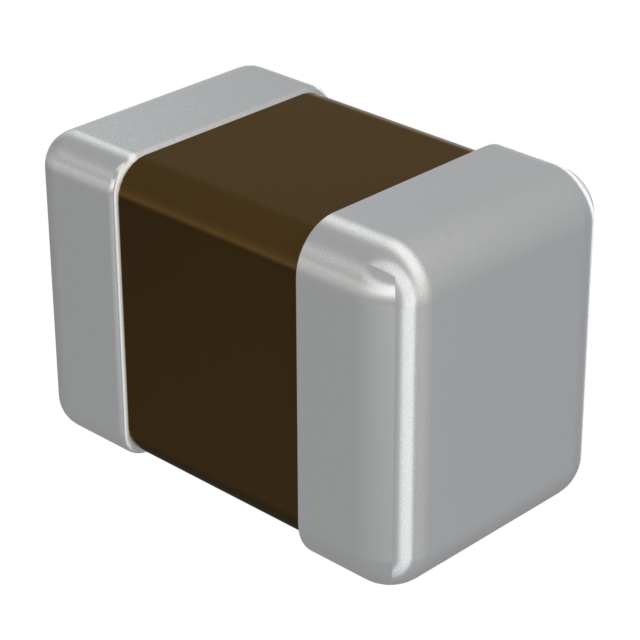
WCAP-CSMHMid and High Voltage
- Capacitance: 10 pF - 470 µF
- Voltage - Rated: 200 - 3000 V (DC)
- Ceramic: NP0, X7R
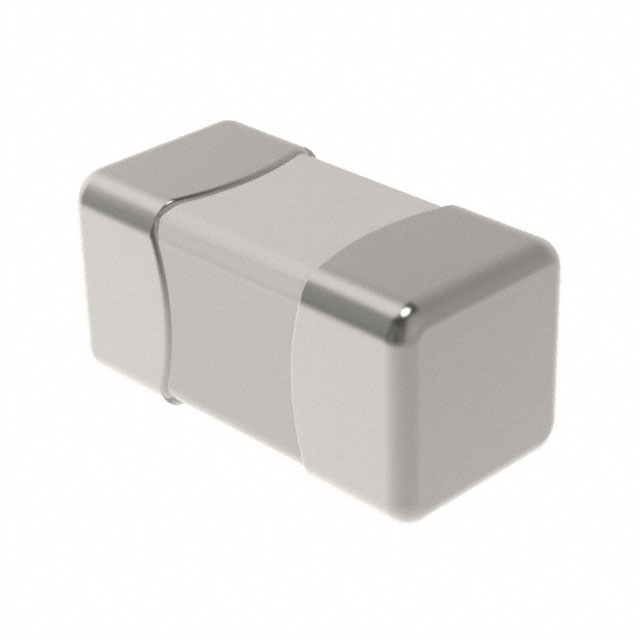
WCAP-CSRFHigh Frequency
- Capacitance: 0.2 pF - 33 pF
- Voltage - Rated: 25 - 50 V (DC)
- Ceramic: NP0
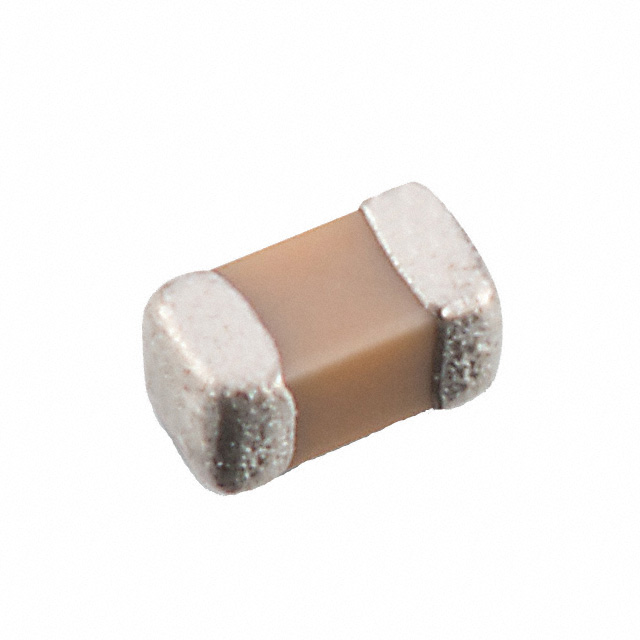
WCAP-CSSTSoft Termination
- Capacitance: 220 pF - 2.2 µF
- Voltage - Rated: 16 - 2000 V (DC)
- Ceramic: X7R
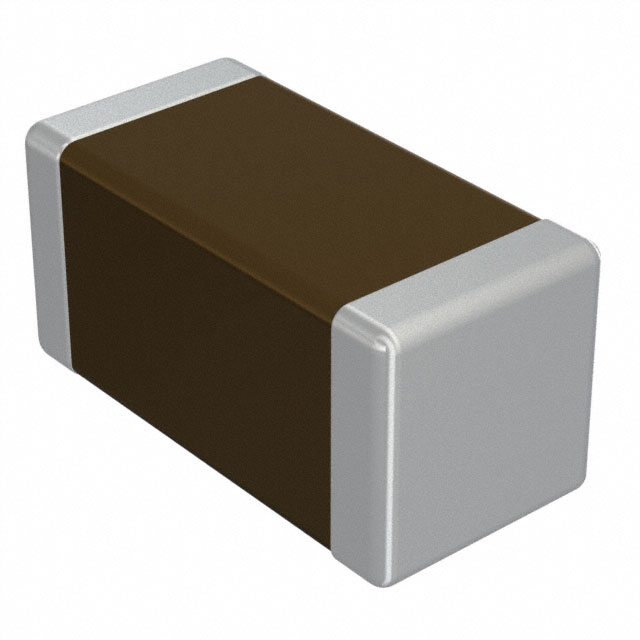
WCAP-CSSASafety Capacitors, Safety class X1/Y2, X2
- Capacitance: 33pF ~ 2200pF
- Voltage - Rated: 250 V (AC)
- Ceramic: NP0, X7R
What Are the Challenges of Downsizing?

Worse electrical stability / performance
- For class 2 ceramics X7R / X5R: higher capacitance loss due to DC bias

Assembly times are rising
- With smaller sizes positioning may run more slowly
- In the future several components need to be picked as replacement

Most of it has to be invested in new production equipment
- It may require new feeder benches, nozzles and pick & place machines

Re-design necessary
- Blocks engineering resources for new projects
- Releases (such as e.g. UL) must be repeated
- Changes in the manufacturing process needed
The Basics of MLCCs
What needs to be considered while selecting MLCCs?
Class 1 (e.g.: NP0 = C0G)
- Mainly the C-tolerance needs to be taken into account.
- Dependent on specific type no temperature dependence (e.g. C0G / NP0) or linear temperature dependence
- No further derating
- These types provide stable and precise C-values. For all applications where a fixed and stable C-value (e.g. clock) is needed, these are the proper choice.
Class 2 (e.g.: X7R, X5R, Y5V)
- There are multiple effects with influence on given C-value:
- C-tolerance (according to datasheet)
- Non-linear temperature dependence (manufacturer specific, related to material mix / construction)
- DC-Bias (manufacturer specific, related to material mix / construction)
- Aging behavior
- The capacitance value of datasheet will be different within a running application. Check the manufacturer data to be able to assume occurring effects.
EXAMPLE 1: HOW MUCH CAPACITANCE DO YOU REALLY GET?
885012108011: 22µF / X5R / 1206 / 20% @ 6V DC

EXAMPLE 2: HOW MUCH CAPACITANCE DO YOU REALLY GET?
885012109006: 22µF / X7R / 1210 / 10% @ 6V DC

Why is capacitance drift of class 2 MLCCs that massive?
- Class 2 ceramics use Barium Titanate as base material
- This material is ferroelectric, and this is the reason for a strong capacitance dependency
- Capacitance vs. Temperature
- DC Bias - dependency of capacitance against DC voltage
- Aging Behavior
- In addition, this material structure is prone to piezoelectric effects and this can also result in microphonic effects.








 Magyarország